ByeolKorea.com – Jeong Hyeon-cheol, globally recognized as Seo Taiji, stands as an undisputed titan in the landscape of South Korean music and culture. Born on February 21, 1972, this multifaceted artist has profoundly impacted the industry as a singer, musician, songwriter, and record producer.
His groundbreaking work laid the essential foundations for what would eventually evolve into the global phenomenon known as K-Pop. Seo Taiji’s innovative spirit and willingness to challenge norms reshaped the expectations for Korean popular music during his active years.
The Genesis of a Revolution: Seo Taiji and Boys
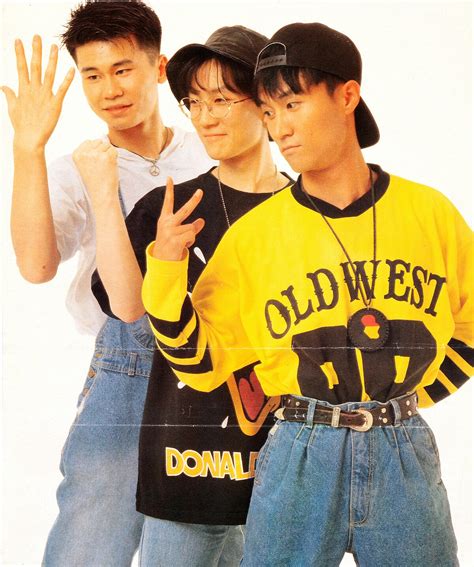
Seo Taiji first rose to prominence in the early 1990s as the leader of the iconic group Seo Taiji and Boys. Formed in 1992, the trio, comprising Seo Taiji, Yang Hyun-suk, and Lee Juno, burst onto the scene with an electrifying blend of musical styles previously unheard in South Korea. Their debut single, “Nan Arayo” (I Know), fused new jack swing, hip-hop, and rock, captivating a generation and instantly becoming a massive hit.
This unprecedented fusion of Western genres with Korean sensibilities marked a pivotal moment in the nation’s musical history. The group’s fresh sound and distinct image resonated deeply with the youth, signaling a dramatic shift from the ballad-dominated music scene.
Pushing Boundaries: Musical Evolution and Social Commentary
Across their four studio albums, Seo Taiji and Boys consistently pushed the envelope, musically and lyrically. Their sophomore effort, “Hayeoga” (Anyhow Song), introduced heavy metal and traditional Korean music elements, further demonstrating their eclectic vision. They were not afraid to experiment, incorporating diverse sounds like techno and trip-hop into their later works.
Beyond musical innovation, Seo Taiji’s lyrics often tackled poignant social issues, including education system criticisms, parental pressure, and the materialistic nature of society. This lyrical depth provided a voice to the anxieties and frustrations of young Koreans, fostering a strong connection with their audience.
Their music frequently faced censorship by broadcasters due to its controversial themes and unconventional style. However, these challenges only solidified their image as rebellious icons, further cementing their legendary status among their growing fanbase. The band’s unflinching honesty and artistic integrity earned them immense respect and adoration.
The Unexpected Farewell and a Solo Return
In January 1996, at the peak of their popularity, Seo Taiji and Boys made the shocking announcement of their disbandment, leaving millions of fans heartbroken. This abrupt decision, made without any prior warning, underscored Seo Taiji’s enigmatic nature and his commitment to artistic autonomy. Their final concert remains one of the most emotional moments in K-Pop history.
Following a brief hiatus and a move to the United States, Seo Taiji returned to the music scene in 1998 as a solo artist. His solo career continued his tradition of musical exploration, venturing into heavier rock genres, nu-metal, and electronica. His first solo album showcased a darker, more intense sound, proving his constant evolution.
His solo releases, such as “Ultramania” and “7th Issue,” were met with critical acclaim and commercial success, reinforcing his position as a visionary. He consistently sold out massive concerts, demonstrating that his loyal fanbase, known as ‘Taiji Mania,’ remained as fervent as ever. Seo Taiji’s influence transcended mere musical trends, shaping an entire generation’s artistic sensibilities.
Seo Taiji’s Enduring Legacy and Impact
Seo Taiji’s impact on Korean popular culture is immeasurable, earning him the moniker “President of Culture.” He not only pioneered new musical genres but also broke down stylistic barriers, encouraging future artists to experiment and innovate. His bold approach challenged conservative norms, paving the way for the artistic freedom seen in today’s K-Pop.
His legacy is evident in the countless artists who cite him as an inspiration, from rock bands to idol groups. The success of modern K-Pop, with its diverse genres and global appeal, owes a significant debt to Seo Taiji’s trailblazing efforts. He taught the industry that Korean music could be original, rebellious, and globally competitive.
Even today, decades after his debut, Seo Taiji remains an active and revered figure, periodically releasing new music and performing. His continued relevance speaks volumes about his timeless artistry and enduring connection with his audience. He is not just an artist but a cultural phenomenon whose influence continues to resonate throughout South Korea and beyond.
Frequently Asked Questions (FAQ)
Who is Seo Taiji?
Seo Taiji, born Jeong Hyeon-cheol on February 21, 1972, is a highly influential South Korean singer, musician, songwriter, and record producer. He is widely regarded as a pioneer in modern Korean popular music and a key figure in the development of K-Pop.
What was Seo Taiji and Boys known for?
Seo Taiji and Boys were known for their revolutionary fusion of diverse music genres, including hip-hop, new jack swing, rock, and techno, into the Korean music scene. They were also famous for their socially conscious lyrics that challenged traditional norms and addressed youth issues.
Why did Seo Taiji and Boys disband?
Seo Taiji and Boys unexpectedly disbanded in January 1996 at the height of their popularity. The exact reasons were primarily artistic, with Seo Taiji seeking new musical directions and expressing a desire for creative freedom beyond the group format.
How did Seo Taiji influence K-Pop?
Seo Taiji profoundly influenced K-Pop by introducing new musical genres and production techniques, challenging censorship, and empowering artists to express themselves. His innovative spirit and commercial success laid the groundwork for the global expansion and diverse soundscapes of contemporary K-Pop groups.
What kind of music did Seo Taiji pursue in his solo career?
In his solo career, Seo Taiji continued his musical experimentation, primarily focusing on heavier rock genres such as nu-metal, alternative rock, and industrial. He also incorporated electronic elements, showcasing his continuous evolution as an artist.