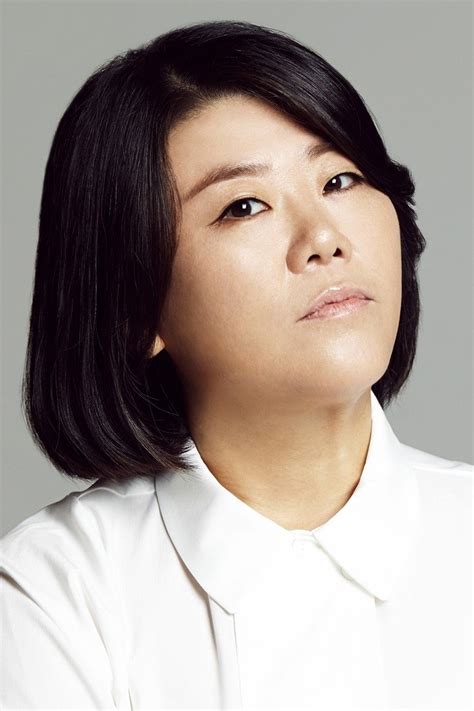
ByeolKorea.com – Lee Jung-eun stands as one of South Korea’s most celebrated and versatile actresses, captivating audiences with her profound ability to embody a vast array of characters. Her career trajectory is a testament to dedication and talent, evolving from a respected stage performer to an internationally recognized screen icon.
Born on January 23, 1970, Lee Jung-eun initially honed her craft in the challenging world of theater, laying a strong foundation for her nuanced performances. She made her acting debut in the play “A Midsummer Night’s Dream” in 1991, gradually building a reputation for her compelling stage presence.
Early Life and Career Beginnings
For many years, Lee Jung-eun was a familiar face in the South Korean theater scene, participating in numerous productions and refining her dramatic skills. Her transition to screen acting began with smaller roles in the early 2000s, where she steadily garnered attention for her impactful portrayals.
She often took on supporting parts, becoming a reliable presence in various films and television dramas without always taking center stage. These early experiences allowed her to experiment with different personas and deepen her understanding of on-screen dynamics.
The Rise to Prominence: Breaking Through
While she was a consistent presence, Lee Jung-eun began to achieve broader recognition in the mid-2010s, particularly through her memorable appearances in popular K-dramas. Audiences started to take notice of her unique ability to bring sincerity and depth to every character, no matter how minor.
Her role in the hit drama “When the Camellia Blooms” (2019) earned her critical acclaim and solidified her status as a beloved supporting actress. This period marked a significant turning point, showcasing her range and emotional capacity to a wider public.
“Parasite” and Global Recognition
The turning point that launched Lee Jung-eun onto the global stage was her unforgettable performance in Bong Joon-ho’s critically acclaimed film, “Parasite” (2019). As the housekeeper Mun-gwang, she delivered a performance that was both pivotal and deeply unsettling, earning international praise.
Her portrayal in “Parasite” was a masterclass in shifting tones, seamlessly transitioning from a warm, unassuming character to one filled with desperation and intensity. The film’s immense success, including its historic Academy Award win, brought her immense worldwide exposure and cemented her legacy.
A Diverse Filmography: From Comedy to Drama
Lee Jung-eun’s filmography is remarkably diverse, featuring roles that span across genres from dark thrillers to heartwarming comedies and poignant dramas. She consistently demonstrates an extraordinary ability to adapt, making each character distinctly her own.
Beyond “Parasite,” she has continued to impress in numerous K-dramas, including “Our Blues” (2022), where she played a complex, emotionally resonant character alongside a stellar ensemble cast. Her work often explores the intricate lives of ordinary people, bringing their stories to vivid life.
Consistently Captivating Audiences
Whether portraying a supportive mother, a quirky neighbor, or a formidable adversary, Lee Jung-eun infuses her roles with authenticity and compelling nuance. Her acting style is characterized by a natural ease and a profound understanding of human emotions, which resonates deeply with viewers.
She has an undeniable talent for stealing scenes, often leaving a lasting impression even with limited screen time. This consistent quality has made her one of the most sought-after character actresses in the South Korean entertainment industry.
Impact and Legacy: An Enduring Presence
Lee Jung-eun’s journey from dedicated theater actress to international film star serves as an inspiration to many aspiring performers. Her steadfast commitment to her craft and her genuine love for storytelling shine through in every project she undertakes.
She has received numerous accolades for her work, including Best Supporting Actress awards at prestigious ceremonies, acknowledging her profound contributions to film and television. Her legacy is defined by her incredible versatility and her unwavering ability to connect with audiences on a deeply human level.
As Lee Jung-eun continues to grace both the big and small screens, her presence remains a guarantee of quality and captivating performance. She is truly a gem in the landscape of Korean entertainment, always pushing boundaries and enriching narratives with her unique artistry.
Frequently Asked Questions (FAQ)
Who is Lee Jung-eun?
Lee Jung-eun is a highly acclaimed South Korean actress known for her versatility and ability to portray a wide range of characters across film, television, and theater. She gained global recognition for her role in the Academy Award-winning film “Parasite.”
What is Lee Jung-eun most famous for?
Lee Jung-eun is most famous for her pivotal role as the housekeeper Mun-gwang in the 2019 film “Parasite,” directed by Bong Joon-ho. She is also widely recognized for her memorable performances in popular K-dramas like “When the Camellia Blooms” and “Our Blues.”
Has Lee Jung-eun won any awards?
Yes, Lee Jung-eun has won several awards for her outstanding performances. Notable accolades include Best Supporting Actress awards for her work in film and television, recognizing her significant contributions to the Korean entertainment industry.
What are some notable K-Dramas featuring Lee Jung-eun?
Some of Lee Jung-eun’s notable K-drama appearances include “When the Camellia Blooms” (2019), “Our Blues” (2022), “Mine” (2021), and “Once Again” (2020), where she consistently delivers powerful and memorable portrayals.
What makes Lee Jung-eun a versatile actress?
Lee Jung-eun’s versatility stems from her ability to seamlessly transition between various genres and character types, from comedic roles to intensely dramatic ones. Her natural acting style and deep understanding of human emotions allow her to bring authenticity and depth to every character she embodies.