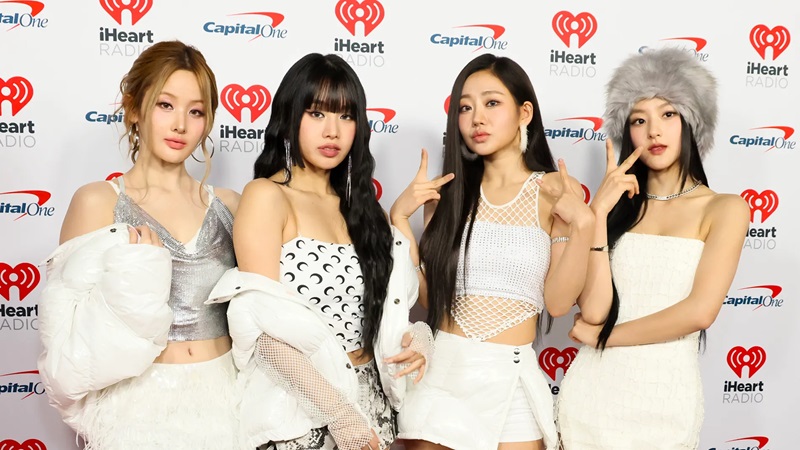
In early April 2025, South Korean girl group KISS OF LIFE became the focus of intense global criticism following an ill-fated livestream celebrating member Julie’s birthday. The broadcast, intended to be a playful homage to early 2000s hip-hop, instead spiraled into one of the most discussed controversies in K-pop that year. The incident sparked conversations about cultural appropriation, cross-cultural education, and the growing accountability of K-pop idols in an increasingly globalized industry.
The Incident and Immediate Backlash

On April 2, 2025, KISS OF LIFE held a livestream with the theme “old-school hip-hop.” Members Julie, Natty, Belle, and Haneul dressed in oversized streetwear, wore cornrows and braids, and accessorized with heavy gold chains. During the event, they spoke using exaggerated AAVE (African American Vernacular English) and jokingly introduced themselves with alter-egos such as “Lil Taco Belle.”
While the stream initially amused fans, it quickly took a darker turn as international viewers began criticizing the group for perpetuating racial stereotypes and reducing Black culture to a costume. Clips of the livestream circulated widely across platforms like Twitter, TikTok, and Reddit, leading to heated debates. The group’s management promptly deleted the videos, but the controversy had already gone viral.
The backlash highlighted a long-standing tension in K-pop’s relationship with hip-hop and R&B, genres deeply rooted in Black culture. Many fans expressed disappointment, emphasizing that while artistic inspiration is acceptable, cultural disrespect is not. The controversy marked a turning point in the conversation about cultural awareness in the Korean entertainment industry.
The Apology and Fallout
Five days later, on April 7, 2025, all four members posted handwritten apology letters on their social media accounts. They admitted they had “gone too far” and expressed remorse for their actions, promising to educate themselves further on cultural sensitivity. However, many international fans criticized the apologies for being too general, as they failed to specifically address the Black community, the group most directly affected.
The situation worsened when an old video resurfaced showing Julie mouthing the N-word while rapping along to a song. Although she had already apologized for it years earlier, the clip reinforced negative perceptions and fueled the anger of those who believed the group had not learned from past mistakes.
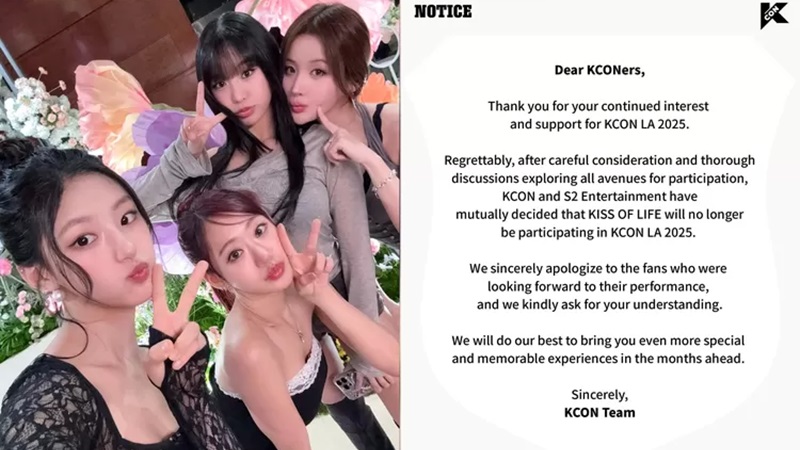
By mid-May, the controversy had tangible consequences. KISS OF LIFE officially withdrew from KCON LA 2025, one of the largest international K-pop events. The decision was widely interpreted as a response to the ongoing backlash. Industry observers viewed it as a strategic move by the agency to prevent further reputational damage and give the group time to rebuild their public image.
Public Response and Industry Debate

Public opinion remained divided. Critics argued that KISS OF LIFE’s actions exemplified how K-pop sometimes borrows from Black culture without acknowledging its origins or struggles. They called for greater education on cultural history and sensitivity training within the industry. Commentators noted that hip-hop is not merely a fashion statement but a cultural expression born from resilience and identity.
Supporters, however, emphasized the group’s good intentions. They believed the members were simply trying to pay homage to hip-hop culture rather than mock it. Many praised the group for quickly apologizing and removing the problematic content. Still, even defenders agreed that the incident revealed systemic gaps in how Korean entertainment companies prepare idols for international exposure.
The controversy reignited broader discussions about representation and responsibility in global pop culture. As K-pop continues to expand internationally, idols are expected to understand the cultural significance of the trends they adopt. Fans and cultural critics alike urged agencies to provide proper guidance and cultural education to artists.
Aftermath and Continuing Developments

In October 2025, the group’s management released a new statement announcing plans to pursue legal action against online harassment and defamation targeting the members. The agency condemned malicious rumors, death threats, and slander circulating online, emphasizing that criticism should not cross into personal attacks.
At the same time, unverified rumors of a private video allegedly involving Julie surfaced online, though no official confirmation was ever provided. The agency urged the public to avoid spreading false information and to respect the members’ privacy. The episode demonstrated the intense scrutiny K-pop idols face, where even unrelated rumors can amplify existing controversies.
Despite these challenges, KISS OF LIFE has continued with select domestic activities. However, their international reputation remains under strain. Many fans and observers believe the group’s long-term recovery depends on authentic engagement, education, and meaningful dialogue about cultural respect. Some suggest collaborations with diverse artists or cultural organizations could be a path toward rebuilding trust.
The KISS OF LIFE controversy of 2025 stands as a reminder of how quickly cultural missteps can escalate in the age of social media. What began as a themed livestream turned into a global lesson on sensitivity, accountability, and the evolving expectations placed on public figures. While the group’s apology and subsequent actions have mitigated some damage, their experience highlights a broader issue within K-pop: the need for deeper understanding and respect toward the cultures that inspire its art.
Moving forward, KISS OF LIFE’s response to this controversy could define their legacy, not only as artists but as representatives of a new generation of global entertainers navigating the delicate balance between admiration and appropriation.